

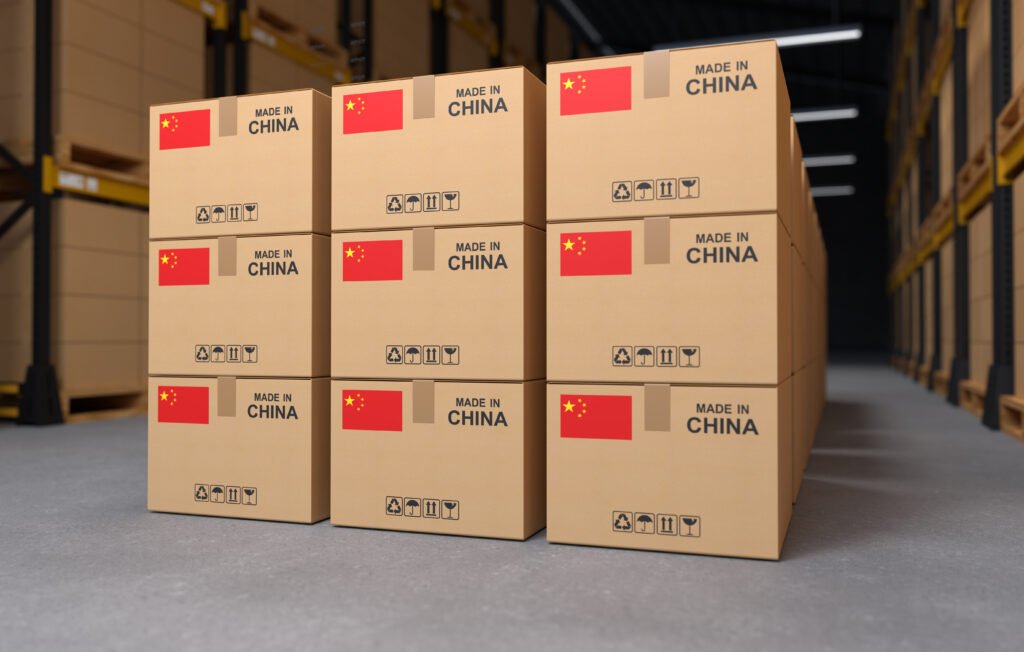
buy products from china

In today’s global marketplace, businesses and entrepreneurs are constantly searching for cost-effective ways to source products. One of the most efficient solutions is to buy products from China, the world’s manufacturing powerhouse. China is home to countless chinese wholesale suppliers, offering a wide range of products from electronics and apparel to home goods, toys, and more.

Whether you are an e-commerce retailer, a small business owner, or an international importer, knowing how to navigate the China wholesale marketplace and working with trusted suppliers is essential. This guide on china.adsonzstore will help you understand sourcing strategies, platforms, logistics, and best practices to maximize profit while minimizing risk.

Why Buy Products from China?

There are several reasons why international buyers prefer to buy wholesale from China:

  1. Competitive Prices – Chinese manufacturers offer some of the most competitive pricing in the world, making cheap China wholesale accessible for bulk buyers.
  2. Wide Variety of Products – You can find nearly any product category from Chinese products online and in physical wholesale markets.
  3. High Scalability – Suppliers can meet both small and large orders, making it easy to scale your business.
  4. Export Expertise – Many China export suppliers are experienced in international shipping, customs, and compliance.
  5. Customization Options – Many Chinese wholesale suppliers offer private labeling, OEM, and ODM services for unique branding.

Working with verified China purchasing agents or sourcing platforms can help simplify the process, ensuring you partner with reliable suppliers.

How to Find the Right Chinese Wholesale Suppliers

Finding trustworthy chinese wholesale suppliers requires research and verification. Here’s a step-by-step guide:

  1. Use Alibaba and Other Platforms

Alibaba and similar platforms like alibaba china products or alibaba china online shopping connect you directly with verified suppliers. These platforms often include buyer reviews, certifications, and product listings for thousands of manufacturers.

  1. Hire a China Purchasing Agent

A China purchasing agent can help you locate reliable wholesale suppliers China, negotiate better deals, and manage quality checks before shipment.

  1. Verify Supplier Credentials

Check for business licenses, product certifications, and export experience. Verified chinese products online suppliers often have a strong track record in fulfilling international orders.

  1. Order Samples

Before committing to bulk purchasing from China, order samples to ensure product quality and reliability. This minimizes risk when scaling your operations.

  1. Attend Trade Shows

Trade fairs like the Canton Fair or Yiwu Market allow buyers to meet China international suppliers in person, inspect products, and build long-term partnerships.

Online Platforms for Buying Products from China

Several online marketplaces have simplified the process of sourcing directly from China:

  1. Alibaba – The most popular China wholesale marketplace for both bulk and small orders.
  2. 1688.com – Primarily domestic, but you can source products with the help of a purchasing agent.
  3. DHgate – Ideal for small-scale buyers who want to buy in bulk from China without large minimum order quantities.
  4. Made-in-China – A trusted platform to find China online wholesale suppliers with verified certifications.

These platforms allow businesses to buy things from China efficiently, compare pricing, and connect with a wide network of wholesale suppliers China.

Strategies for Buying Direct from China Factories

When you buy direct from China factory suppliers, you can access lower prices and greater flexibility. Some key strategies include:

  • Negotiate Terms – Discuss pricing, MOQs (minimum order quantities), and payment schedules with Chinese wholesale suppliers.
  • Request Customization – Use private labeling or OEM options for branding.
  • Use Secure Payment Methods – Always use trusted platforms or escrow services to avoid fraud.
  • Plan Logistics in Advance – Partner with China supply chain wholesale companies to manage shipping, customs, and delivery.

By following these steps, you can buy goods from China with confidence, even as a first-time importer.

Benefits of Using China Purchasing Agents

A China purchasing agent can help you navigate the complexities of international sourcing. Benefits include:

  1. Finding Reliable Suppliers – Agents often have established networks of trusted Chinese wholesale suppliers.
  2. Quality Control – They perform inspections and verify product quality before shipment.
  3. Negotiation Assistance – Help secure competitive pricing and favorable terms.
  4. Handling Logistics – Managing shipping, documentation, and customs clearance.
  5. Minimizing Risk – Reduce chances of scams, fake products, or poor-quality shipments.

Tips for Buying Wholesale from China

  1. Compare Multiple Suppliers – Avoid relying on a single China wholesale trading company; compare prices and quality across multiple suppliers.
  2. Understand Shipping Costs – Include freight, duties, and taxes when calculating your total cost.
  3. Start Small – Test products with small batches before committing to buy wholesale from China in large volumes.
  4. Keep Communication Clear – Ensure your requirements, specifications, and deadlines are understood by the supplier.
  5. Use Verified Platforms – Platforms like Alibaba or China site to buy cheap goods help protect your transactions.

Common Products to Buy in China

Some of the most popular items to buy China products online include:

  • Electronics (smartphones, accessories, smart home devices)
  • Apparel and fashion accessories
  • Home and kitchen goods
  • Beauty and personal care products
  • Toys and children’s products

These products can be sourced from Chinese wholesale suppliers, buy direct from China factory listings, and alibaba China products categories.

FAQs About Buying Products from China

Q1: Can I trust Chinese wholesale suppliers?
Yes, as long as you work with verified suppliers, use secure platforms, and consider hiring a China purchasing agent.

Q2: How can I buy wholesale from China safely?
Start with small orders, verify supplier credentials, and use alibaba china online shopping or other reputable platforms.

Q3: What is the best way to find cheap China wholesale products?
Compare multiple suppliers, request quotes, and consider bulk orders. Buy in bulk from China often reduces unit costs.

Q4: Is it possible to customize products?
Yes, most Chinese products online suppliers offer OEM/ODM services for branding and packaging.

Q5: How do I handle logistics for international shipping?
Use a China supply chain wholesale company or freight forwarder to manage shipping, customs clearance, and delivery.

Importing products from international markets has become an essential part of modern business strategy, allowing companies to expand their offerings while optimizing costs. Businesses of all sizes can now reach global suppliers, access a wide range of products, and efficiently manage logistics across borders. The ability to source goods from overseas manufacturers provides opportunities to diversify inventory, introduce new product lines, and maintain a competitive edge in the market. Over time, entrepreneurs have realized that careful planning and strategic sourcing are crucial to ensuring long-term success and operational efficiency. Identifying reliable suppliers is the foundation of successful international procurement. Companies must evaluate potential partners thoroughly, considering factors such as production capacity, quality standards, reliability, and communication practices. Conducting research on suppliers, reviewing certifications, and requesting references are important steps to ensure credibility. Establishing strong working relationships with manufacturers enhances transparency, fosters trust, and facilitates smoother negotiations. Long-term partnerships can lead to better pricing, priority in production schedules, and access to specialized expertise in product development. Negotiating terms with overseas suppliers requires a clear understanding of pricing structures and market dynamics. Buyers should account for factors such as material costs, labor, shipping, and taxes while discussing payment arrangements and bulk discounts. Effective negotiation focuses on creating mutually beneficial agreements that balance cost efficiency with quality assurance. Companies that invest time in understanding supplier capabilities and constraints often secure favorable terms without compromising product standards. This approach builds a foundation for sustainable business relationships and long-term growth. Efficient logistics and supply chain management are critical for businesses importing goods from abroad. Companies need to determine the most suitable shipping methods, whether by air, sea, or express courier, based on factors such as delivery speed, cost, and volume. Partnering with experienced freight forwarders simplifies customs clearance, insurance, and tracking. Understanding trade regulations and documentation requirements helps prevent delays and avoids unexpected expenses. A well-organized logistics strategy ensures timely delivery and smooth operations, which is particularly important for businesses managing large inventories or operating in competitive markets. Managing costs is a constant consideration when dealing with international suppliers. Beyond the purchase price, businesses must factor in shipping fees, customs duties, taxes, and any additional charges that may arise. Currency fluctuations can also impact overall costs, making it essential to monitor exchange rates and adjust purchasing strategies accordingly. By accurately calculating the total cost of procurement, businesses can set realistic pricing for their products, maintain profit margins, and make informed sourcing decisions that align with long-term goals. Quality assurance plays a vital role in maintaining customer satisfaction and brand reputation. Implementing robust quality control measures, such as pre-production samples, periodic inspections, and post-production audits, ensures consistency and reliability. Engaging third-party inspection services can provide an objective evaluation of materials, workmanship, and compliance with standards. By prioritizing quality, companies reduce returns, enhance customer trust, and strengthen their position in the market. Maintaining strict quality protocols is especially important when scaling operations and managing larger volumes of products. Businesses can achieve significant advantages by starting small and scaling gradually. Initial test orders allow companies to evaluate supplier performance, assess product quality, and refine processes before committing to larger shipments. As confidence in supplier reliability grows, companies can increase order volumes, diversify product lines, and expand into new markets. Strategic scaling ensures operational flexibility while minimizing risk and optimizing resource allocation. Companies that implement measured growth strategies are better equipped to respond to market changes and capitalize on emerging opportunities. Compliance with international trade regulations is essential to avoid legal complications and delays. Companies must ensure that imported products meet the safety, quality, and labeling requirements of the target market. Accurate documentation, including invoices, certificates, and shipping records, is critical for smooth customs clearance. Failure to comply with regulatory standards can result in fines, confiscation of goods, or shipment delays, all of which can negatively impact business operations. Staying informed about legal requirements and working with knowledgeable partners ensures a seamless procurement process. Risk management is an integral aspect of global sourcing. Businesses face potential challenges such as shipment delays, product defects, supply chain disruptions, and intellectual property concerns. Mitigating these risks involves thorough supplier evaluation, diversification of sourcing options, and contingency planning. Monitoring global economic and political conditions is also essential, as events in one region can affect production and shipping. By proactively identifying potential risks and implementing safeguards, companies can maintain continuity, reduce financial exposure, and ensure reliability in their operations. Technological advancements have transformed international sourcing, enabling businesses to research suppliers, compare pricing, and monitor shipments in real time. Online platforms allow for efficient communication with manufacturers, while inventory management systems help track stock levels and predict reorder needs. Project management tools assist in monitoring order progress, deadlines, and logistics, reducing errors and enhancing overall operational efficiency. By integrating technology into sourcing and supply chain management, businesses can streamline processes, improve accuracy, and respond faster to market demands. Sustainability and ethical practices have become increasingly important in global trade. Businesses must ensure that their suppliers adhere to labor laws, environmental regulations, and ethical standards. Responsible sourcing not only benefits society and the environment but also strengthens brand reputation and meets the expectations of socially conscious consumers. Companies that prioritize sustainability can differentiate themselves in competitive markets and build lasting customer loyalty. Incorporating environmentally and socially responsible practices into procurement strategies contributes to long-term business resilience. Collaboration with international manufacturers can drive innovation. Suppliers often possess expertise in production methods, materials, and design trends that businesses can leverage. Involving suppliers in product development can result in improved designs, cost savings, and faster time-to-market. Collaboration fosters a deeper understanding between buyers and suppliers, creating opportunities for joint problem-solving and innovation. Companies that cultivate strong collaborative relationships with their manufacturing partners often gain a competitive advantage in introducing new and unique products. Real-world examples demonstrate the benefits of strategic international sourcing. Small businesses have expanded their product lines by partnering with specialized manufacturers, while larger companies have optimized costs by selecting suppliers in regions known for specific industry strengths. Each example underscores the importance of thorough research, supplier evaluation, and effective communication. Companies that combine strategic sourcing with operational planning are more likely to achieve sustainable growth and long-term success in the global marketplace. Strategic sourcing encompasses more than selecting a supplier; it includes long-term planning, cost control, quality assurance, risk mitigation, and continuous improvement. Companies must assess their entire supply chain, from procurement to logistics to market demand. Developing strong partnerships, negotiating flexible agreements, and leveraging supplier expertise are key to creating a competitive advantage. By continuously monitoring and refining sourcing strategies, businesses can adapt to changing market conditions and maintain operational excellence over time. Expanding internationally provides companies with access to a diverse array of products and markets. Businesses can introduce new items, cater to niche segments, and meet evolving consumer demands. Effective supplier management and clear communication enable companies to scale globally without compromising quality or efficiency. Leveraging international suppliers allows businesses to remain agile, competitive, and responsive to market trends, positioning them for long-term growth and success. Efficient inventory management is critical when sourcing from international partners. Businesses must track stock levels, forecast demand, and coordinate shipments to avoid shortages or overstocking. Optimized inventory practices ensure timely delivery, minimize storage costs, and maintain customer satisfaction. Integrating warehouse management systems and real-time tracking tools enhances supply chain visibility and operational efficiency, allowing businesses to respond quickly to market changes and customer needs. International sourcing provides access to value-added services, such as product customization and private labeling. Working closely with manufacturers enables companies to differentiate their offerings through unique designs, packaging, or features. This level of control enhances brand identity and allows businesses to compete in saturated markets. Incremental adjustments and continuous collaboration with suppliers foster innovation and ensure that products meet evolving consumer expectations, driving profitability and market relevance. For first-time importers, understanding the nuances of global trade is essential. Education on shipping terms, regulatory requirements, supplier communication, and cost management reduces the likelihood of errors and inefficiencies. Businesses that invest time in learning best practices are better equipped to navigate challenges and establish efficient, reliable supply chains. Developing expertise in international procurement ensures smoother operations, improved supplier relationships, and greater confidence in decision-making. The scalability of global sourcing enables businesses to adapt to market fluctuations and growing customer demands. Companies can start with smaller orders, evaluate supplier performance, and gradually expand their procurement activities. This phased approach reduces financial risk, improves operational flexibility, and allows for the fine-tuning of processes. By scaling strategically, businesses can maximize efficiency, maintain product quality, and respond quickly to market opportunities, ensuring sustainable growth. Risk mitigation remains an ongoing concern in international trade. Businesses must anticipate potential challenges, such as geopolitical instability, trade restrictions, or natural disasters that could disrupt supply chains. Diversifying sourcing regions, maintaining backup suppliers, and implementing contingency plans provide a buffer against unforeseen disruptions. Companies that proactively manage risk are better positioned to maintain operational continuity, meet customer expectations, and safeguard profitability. Technological tools play a central role in modern procurement practices. Platforms for supplier discovery, communication, and transaction tracking streamline sourcing processes. Inventory and order management systems allow for accurate stock monitoring, timely reordering, and efficient logistics coordination. Data analytics supports decision-making by providing insights into supplier performance, cost trends, and demand forecasting. Integrating these tools enhances efficiency, reduces human error, and supports scalable growth. Sustainability considerations increasingly influence procurement decisions. Ethical sourcing, environmentally responsible manufacturing practices, and compliance with social standards have become key differentiators for businesses. Companies that align their operations with sustainability goals enhance their brand reputation and appeal to conscientious consumers. By prioritizing responsible practices, businesses contribute positively to society while ensuring long-term operational viability in a competitive landscape. International partnerships also foster innovation and creativity. Suppliers may provide valuable input on materials, production methods, and emerging trends, helping businesses develop unique and competitive products. Collaborative problem-solving and joint development efforts strengthen relationships and result in innovative solutions. Companies that leverage supplier expertise in product development often gain a competitive edge, improve profitability, and enhance customer satisfaction. Strategically sourcing from international markets supports global expansion and diversification. By accessing a wide range of products, companies can enter new markets, target niche segments, and adapt to consumer preferences. Effective supply chain management, coupled with strong supplier relationships, ensures consistent quality and reliable delivery. Businesses that implement these strategies are better positioned to grow, compete internationally, and achieve long-term sustainability. Inventory and supply chain optimization are essential for operational efficiency. Accurate forecasting, stock monitoring, and coordinated logistics prevent shortages or excess inventory, reducing costs and improving service levels. Technology-enabled systems streamline inventory management and provide real-time insights, enabling rapid decision-making. Companies that prioritize operational excellence in sourcing maintain competitive advantages and improve responsiveness to market demands. In conclusion, global sourcing is a powerful tool for businesses seeking growth, cost efficiency, and innovation. Careful supplier evaluation, effective negotiation, quality assurance, risk management, and technological integration are essential for success. By adopting strategic practices, businesses can scale sustainably, optimize supply chains, and maintain competitive advantages. International procurement enables companies to access diverse products, enter new markets, and respond to evolving consumer demands while minimizing risks and maximizing profitability. Through thoughtful planning and continuous improvement, businesses can leverage global sourcing to drive long-term success, efficiency, and resilience in an increasingly interconnected world.

How do I find a reliable way to buy products from China for my business?

To buy products from China reliably, start by choosing verified Chinese wholesale suppliers through platforms like Alibaba, Global Sources, or Made-in-China. Always check supplier ratings, customer reviews, and certifications. Request product samples to test quality before bulk purchasing. Use secure payment methods such as Trade Assurance or PayPal for protection. Many businesses also hire a China purchasing agent to handle sourcing, negotiations, quality inspections, and shipping for extra reliability.

China wholesale supplier