
How to Manage Supply Chain Risks in Global Trade: A Practical Guide for Businesses
Global sourcing can help businesses find better products, competitive prices, and new suppliers.
A company in India can source products from China. A manufacturer can purchase raw materials from another country. An exporter can sell products to customers across several international markets.
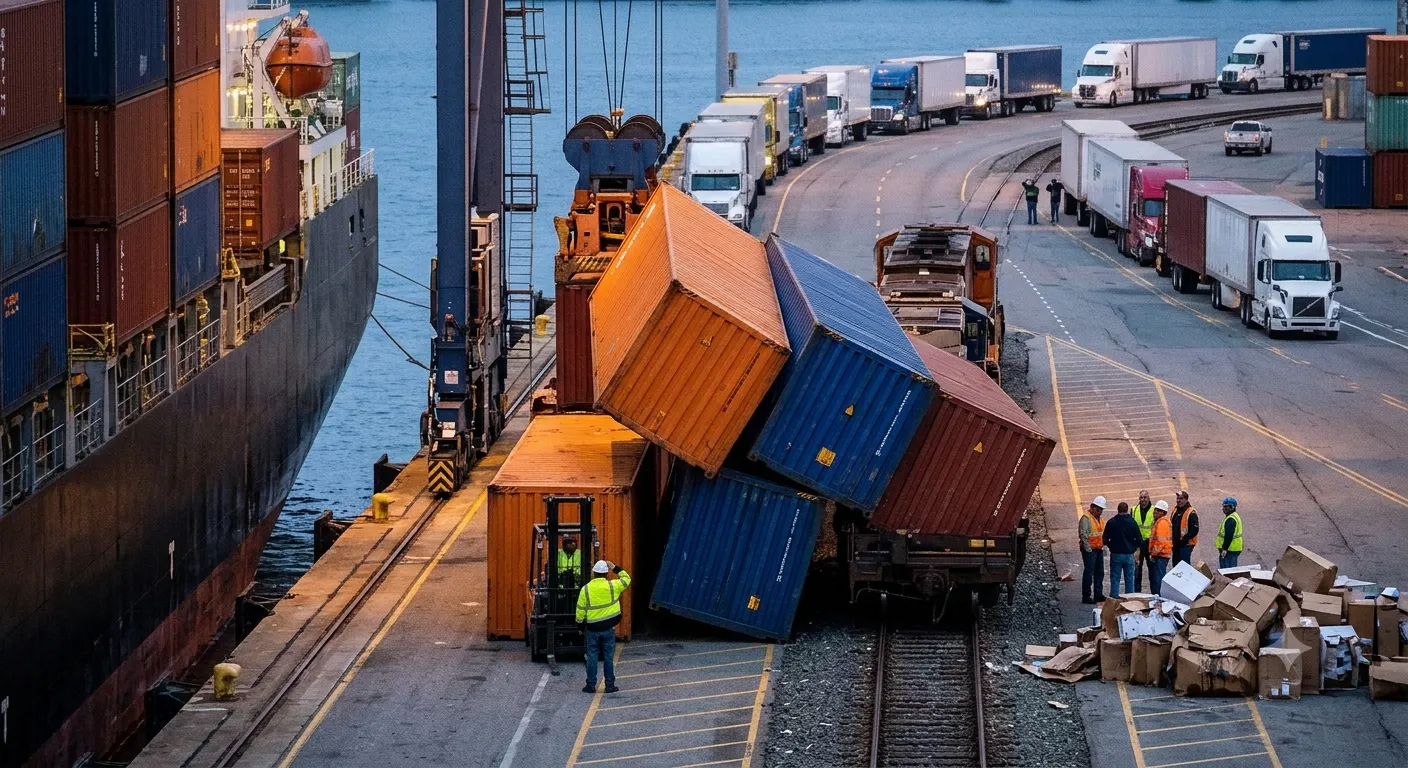
But global trade also creates supply chain risks.
A supplier may delay production. Shipping costs may increase. A port may become congested. Customs clearance may take longer than expected. Currency values can change. A key product may suddenly become unavailable.
Businesses cannot eliminate every risk.
But they can prepare for it.
The goal of supply chain risk management is simple: identify possible problems early and create backup plans before those problems affect the business.
What Is Supply Chain Risk?
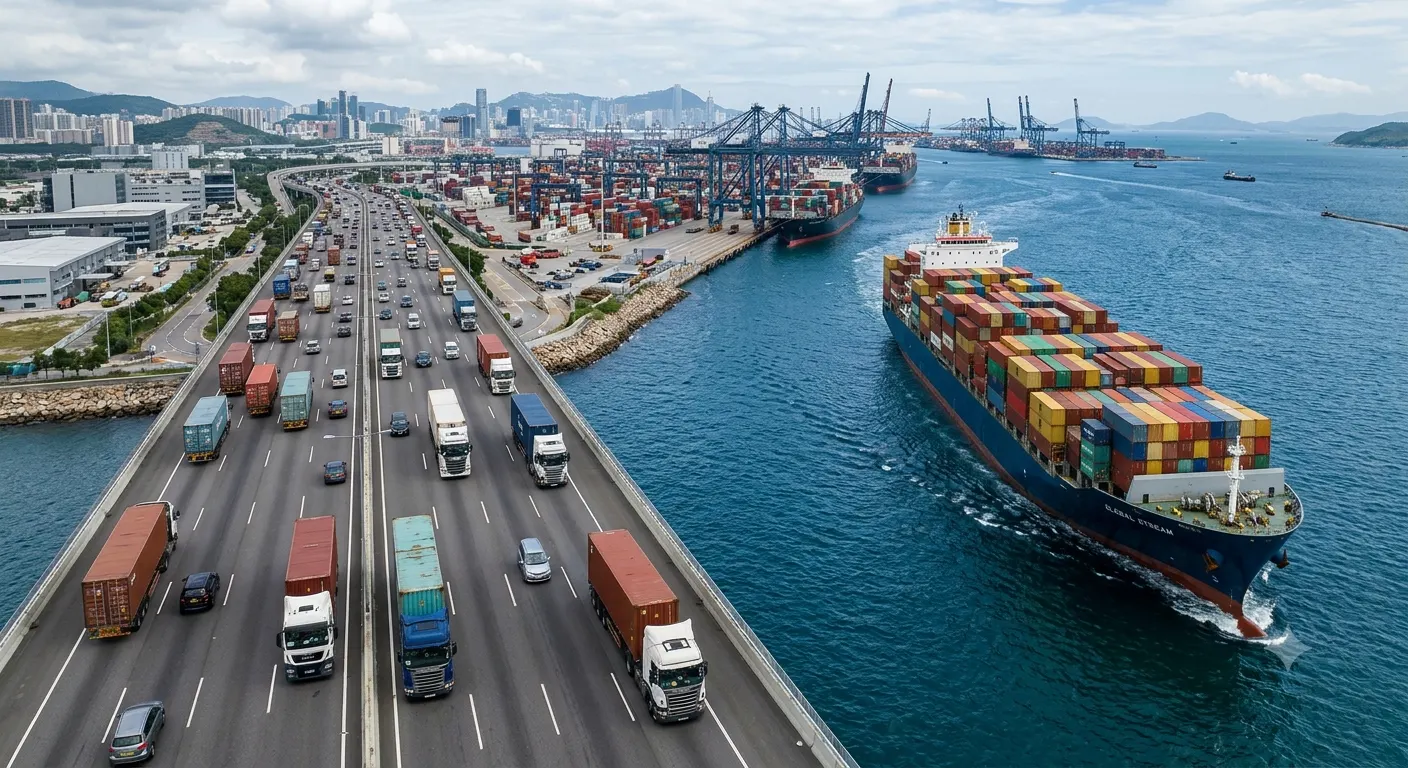
Supply chain risk is the possibility that an unexpected event will affect the movement, availability, cost, or quality of products and materials.
These risks can occur at different stages.
For example:
Supplier → Factory → Warehouse → Port → Shipping → Customs → Local Transport → Business
A problem at any stage can affect the final delivery.
Common Supply Chain Risks in Global Trade
1. Supplier Risk
Depending heavily on one supplier can create problems.
If that supplier stops production, increases prices, or experiences financial difficulties, your business may struggle to fulfil customer orders.
2. Shipping Risk
International shipping can involve delays due to:
- Port congestion
- Weather
- Vessel schedules
- Documentation problems
- Customs issues
- Transportation disruptions
Businesses should include reasonable time buffers in their planning.
3. Product Quality Risk
A low-cost supplier is not always the best supplier.
Poor-quality products can result in:
- Customer complaints
- Returns
- Lost sales
- Reputation damage
- Additional transportation costs
Quality control should happen before the shipment leaves the supplier.
4. Currency Risk
International purchases often involve foreign currencies.
Exchange-rate movements can change the final cost of imported goods.
Businesses should understand the currency used in their supplier agreements and plan their budgets accordingly.
5. Regulatory Risk
Different countries have different rules for products.
Certain products may require:
- Certifications
- Testing
- Import licences
- Labelling requirements
- Product registration
- Special documentation
Ignoring these requirements can lead to delays or additional costs.
How to Identify Supply Chain Risks
Start by creating a simple risk map.
Write down every important step in your supply chain.
For example:
- Supplier selection
- Product manufacturing
- Quality inspection
- Packaging
- Inland transportation
- Export documentation
- Port handling
- International shipping
- Customs clearance
- Local delivery
Then ask:
What could go wrong at each stage?
This simple exercise can reveal risks that are easy to miss.
Don’t Depend on One Supplier
One of the most effective ways to reduce supply chain risk is supplier diversification.
If possible, identify alternative suppliers before you need them.
For example, instead of depending entirely on one manufacturer, you could evaluate suppliers in:
- India
- China
- Vietnam
- Malaysia
- UAE
- Other suitable markets
The right country depends on your product, budget, quality requirements, and target market.
Verify Suppliers Before Placing Large Orders
Supplier verification is essential in international sourcing.
Before making a large purchase, check:
- Company registration
- Factory information
- Product specifications
- Certifications
- Business history
- References
- Export experience
- Production capacity
- Quality systems
For larger orders, businesses may also consider factory audits and third-party inspections.
Always Check Product Quality
Never assume that a supplier’s product quality will remain consistent simply because the first sample was good.
For larger orders, establish quality requirements in advance.
Define:
- Material
- Size
- Weight
- Colour
- Packaging
- Performance
- Acceptable quality level
A clear product specification reduces misunderstandings.
Create a Backup Shipping Plan
A good supply chain should have alternatives.
For example:
Primary option: Sea freight
Backup option: Air freight
Air freight may cost more, but it can be useful when urgent products are needed.
Similarly, businesses can work with more than one logistics provider when appropriate.
Keep Important Documents Organized
International trade involves many documents.
Depending on the transaction, these may include:
- Commercial invoice
- Packing list
- Purchase order
- Certificate of origin
- Bill of lading
- Insurance documents
- Product certificates
- Customs documents
Missing or incorrect information can cause unnecessary delays.
Build Safety Stock When Necessary
Some businesses keep additional inventory to protect against supply disruptions.
The right amount depends on:
- Demand
- Product shelf life
- Lead time
- Supplier reliability
- Storage cost
- Product value
Safety stock should be planned carefully rather than simply increasing inventory.
Monitor Your Suppliers
Supplier management should not stop after the first order.
Track:
- Delivery performance
- Product quality
- Response time
- Price changes
- Production capacity
- Complaint handling
A supplier that performed well last year may not have the same capacity today.
Prepare a Crisis Plan
Ask your team:
What happens if our main supplier stops production tomorrow?
What happens if shipping is delayed by 30 days?
What happens if our product cost increases by 20%?
What happens if our usual port becomes unavailable?
The answers will help you build contingency plans.
Technology Can Improve Supply Chain Management
Businesses can use digital tools to monitor:
- Orders
- Inventory
- Supplier information
- Shipment status
- Purchase costs
- Delivery performance
Better information allows businesses to make faster decisions.
Final Thoughts
Global sourcing creates opportunities, but it also requires planning.
The strongest businesses do not wait for supply chain problems to happen. They identify risks early, verify suppliers, diversify important dependencies, maintain proper documentation, and create backup plans.
For businesses importing products from international markets, supply chain risk management should be part of the sourcing strategy—not something added after a problem occurs.
ADSONZ Store supports businesses looking at product sourcing and international trade opportunities by helping them approach supplier evaluation, sourcing, and trade planning more systematically.