

International Cargo Insurance: A Complete Guide for Importers and Exporters

International trade gives businesses access to new suppliers, products, and markets. But moving goods from one country to another also comes with risks.

Products can be damaged during transportation. Cargo can be lost, stolen, delayed, or affected by accidents, weather, or handling problems. When the shipment is valuable, even one major problem can create a serious financial loss.

This is where international cargo insurance becomes important.

Cargo insurance helps protect businesses against certain financial losses related to goods being transported internationally. Whether you are importing products from China, exporting goods from India, or shipping products to another global market, understanding cargo insurance can help you make better decisions.

In this guide, we will explain what international cargo insurance is, why it matters, what it can cover, and what businesses should check before choosing a policy.
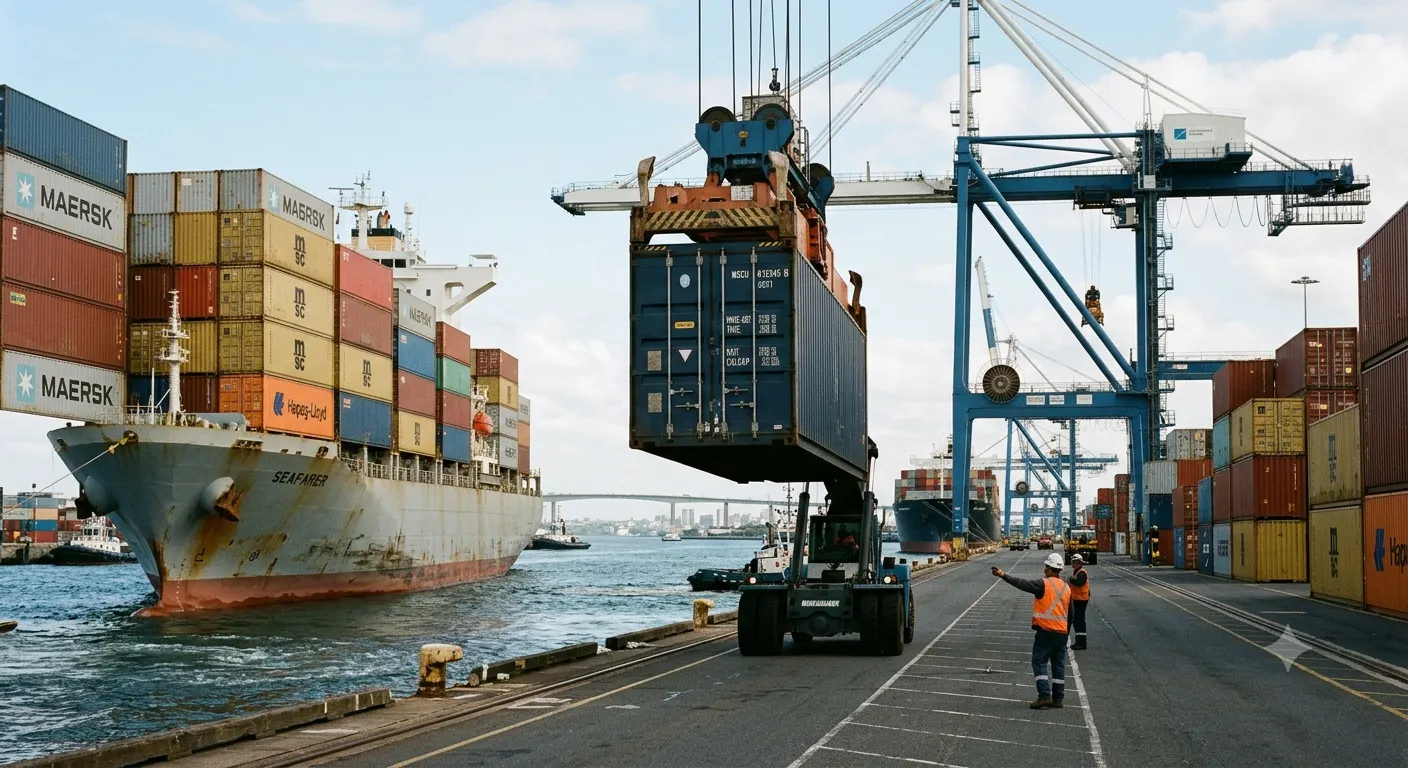
Gemini Generated Image r2jycbr2jycbr2jy

What Is International Cargo Insurance?

International cargo insurance is insurance designed to protect goods while they are being transported from one location to another.

The journey may involve:

  • Road transportation
  • Sea freight
  • Air freight
  • Rail transportation
  • Multiple transportation methods

For example, imagine a business in India purchases products from a manufacturer in China.

The goods may travel from the Chinese factory to a warehouse, then to a port, by sea to India, through customs, and finally to the buyer’s warehouse.

At each stage, there can be risks.

Cargo insurance can provide financial protection against covered losses or damage during the transportation process.

Why Is Cargo Insurance Important?

Many businesses focus heavily on product price and shipping costs when importing goods. However, transportation risk is also an important part of international trade.

A shipment can be worth thousands or even millions of rupees. If something goes wrong, the financial impact can be significant.

Cargo insurance can help businesses reduce this risk.

Some common risks include:

  • Accidental damage
  • Theft
  • Loss of cargo
  • Fire
  • Water damage
  • Transportation accidents
  • Handling damage
  • Certain natural events

The exact coverage depends on the insurance policy and its terms.

Is Cargo Insurance the Same as Carrier Liability?

No.

This is an important point for importers and exporters.

A shipping company or carrier may have some level of liability for cargo. However, carrier liability may be limited by the applicable contract, shipping terms, laws, or transportation conditions.

The value of your goods may be much higher than the amount you can recover from a carrier.

Cargo insurance provides a separate layer of financial protection, subject to the policy terms.

What Does International Cargo Insurance Cover?

Coverage depends on the insurance provider and policy.

A cargo insurance policy may cover certain risks such as:

1. Physical Damage

Goods may be damaged during loading, transportation, unloading, or handling.

For example, electronic products could be damaged due to rough handling or an accident.

2. Theft

Cargo may be stolen while in transit or at certain covered locations.

3. Fire

Fire can cause serious damage to cargo during transportation.

4. Water Damage

Sea shipments can face water-related risks. Certain policies may provide coverage for eligible water damage.

 5. Accidents

Road, sea, air, or rail transportation can involve accidents that damage goods.

However, businesses should never assume that every accident or loss is automatically covered.

Always check the policy wording.


What May Not Be Covered?

Cargo insurance does not mean that every possible loss will be paid.

Policies can include exclusions.

Depending on the policy, exclusions may relate to:

  • Poor packaging
  • Normal wear and tear
  • Deliberate damage
  • Certain delays
  • Improper documentation
  • Unapproved transportation
  • Certain types of natural events
  • Inherent defects in the goods

This is why reading the policy terms is extremely important.

A low insurance price is not always the best option if the coverage does not match your actual risks.


How Much Cargo Insurance Do You Need?

The amount of insurance depends on the value and nature of your shipment.

Consider:

  • Product value
  • Freight cost
  • Taxes and duties
  • Packaging
  • Destination
  • Transportation method
  • Type of product
  • Risk level
  • Contract terms

High-value electronics, machinery, medical products, fragile goods, and specialized equipment may require careful insurance planning.

Cargo Insurance and Incoterms

International buyers and sellers should also understand Incoterms.

Incoterms help define responsibilities between the buyer and seller, including transportation, costs, and risk.

For example, under different trade terms, responsibility for arranging insurance may fall on different parties.

However, businesses should not assume that the other party has sufficient insurance simply because the contract includes transportation responsibilities.

Confirm:

  • Who is arranging insurance?
  • What is covered?
  • What is the insured amount?
  • When does coverage begin?
  • When does coverage end?
  • What documents are required for a claim?

How to Choose Cargo Insurance

Before buying international cargo insurance, compare policies carefully.

Check the Coverage

Understand exactly what risks are covered.

Check the Exclusions

Look at what the insurer does not cover.

Check the Deductible

A deductible is the amount that may need to be paid by the insured before the insurer pays a covered claim.

Check the Claim Process

Find out what documents are required and how claims should be reported.

Check the Geographic Coverage

Make sure your shipping route and destination are included.

Check the Product Restrictions

Some products may have special insurance requirements or exclusions.

Documents You May Need for a Claim

If your cargo is damaged or lost, documentation is important.

Depending on the policy, documents may include:

  • Commercial invoice
  • Packing list
  • Bill of lading or airway bill
  • Insurance certificate
  • Photos of damaged goods
  • Damage report
  • Delivery documents
  • Survey report
  • Claim form

Keep your shipping records organized from the beginning.

Common Mistakes Businesses Make

Mistake 1: Buying Insurance Only for Expensive Shipments

Even lower-value shipments can create losses when damage affects business operations.

Mistake 2: Choosing the Cheapest Policy

Price should not be the only factor.

Mistake 3: Not Reading Exclusions

Businesses sometimes discover exclusions only after a problem occurs.

Mistake 4: Poor Packaging

Insurance does not replace proper packaging and safe handling.

Mistake 5: Delaying the Claim

Always follow the insurer’s reporting requirements.

Final Thoughts

International shipping always involves some level of risk.

Cargo insurance cannot prevent accidents or damage, but appropriate coverage can help protect your business from unexpected financial losses.

Before your next international shipment, review your cargo value, shipping route, transportation method, product type, and insurance requirements.

For businesses involved in international sourcing, importing, exporting, and global supply chains, proper planning can make international trade safer and more predictable.

ADSONZ Store helps businesses explore sourcing and international trade opportunities while making informed decisions about suppliers, products, logistics, and shipping.
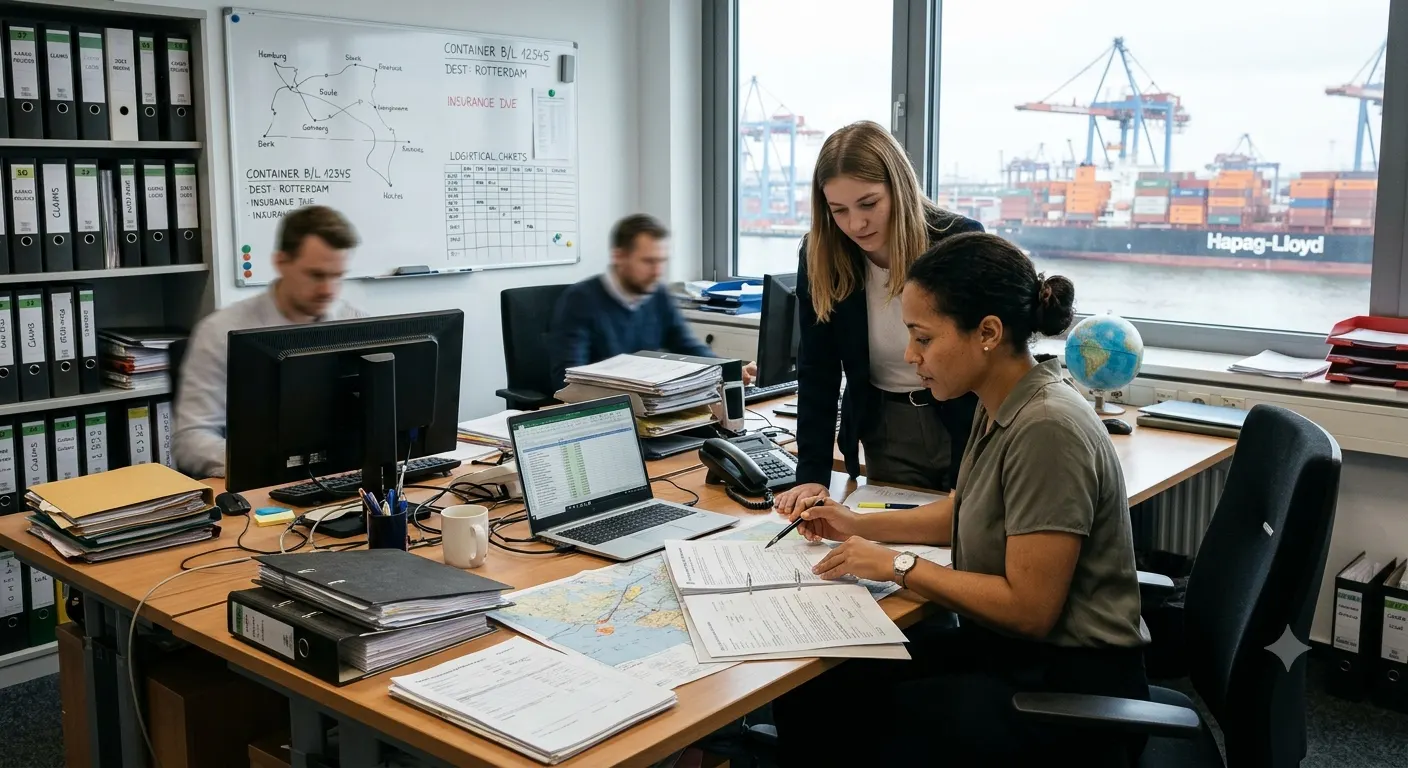
Gemini Generated Image ydrzj8ydrzj8ydrz

ADSONZ STORE: Why Pre-Shipment Quality Checks Protect Every Order Ordering products from overseas manufacturers carries a hidden risk that many buyers don't fully appreciate until something goes wrong: by the time a defective shipment arrives, it's already too late to fix cheaply. ADSONZ STORE was built around closing that gap, giving buyers a way to catch problems before goods ever leave the factory. Understanding Product Inspection Before Shipping Product inspection before shipping is exactly what it sounds like — a structured check of goods while they're still at the factory, before they're packed into containers and sent overseas. This matters because once a shipment is en route, correcting a defect means costly returns, re-manufacturing, or simply eating the loss. ADSONZ STORE builds product inspection before shipping into every order by default, not as an optional add-on, because catching an issue at the factory costs a fraction of catching it after delivery. What Pre-Shipment Inspection Actually Involves A proper pre-shipment inspection typically covers several layers: checking that the product matches agreed specifications, verifying quantities against the packing list, inspecting for visible defects, and confirming packaging can survive the shipping process without damage. Buyers who skip pre-shipment inspection entirely are essentially trusting the factory's own quality control — which may be excellent, but often isn't independently verified. ADSONZ STORE treats pre-shipment inspection as a non-negotiable step precisely because self-reported quality and independently verified quality are not the same thing. Why Product Quality Inspection Matters More Than Buyers Realize Many first-time importers assume that if a factory sent good samples, the bulk order will match. In practice, product quality inspection frequently reveals gaps between sample quality and mass-production quality — a common issue when factories rush larger orders or substitute materials to control costs. ADSONZ STORE performs product quality inspection on statistically significant samples pulled from the actual production batch, not just units the factory chooses to present, which produces a far more honest picture of what's actually shipping. The Difference Detailed Checks Make A pre-shipment quality inspection goes further than a quick visual scan. It typically includes functional testing where applicable, measurement checks against technical drawings, color and material verification, and label or packaging accuracy review. Skipping this level of detail is how buyers end up receiving products that technically "work" but don't match what was ordered — wrong dimensions, incorrect labeling, or missing accessories. ADSONZ STORE conducts pre-shipment quality inspection using standardized checklists tailored to each product category, so nothing gets overlooked simply because it wasn't top of mind that day. Choosing the Right Inspection Services Not all product inspection services are created equal. Some providers rush through checks to keep costs low, offering little more than a rubber stamp. Others build in enough time and expertise to actually catch issues that matter. ADSONZ STORE's product inspection services are staffed by inspectors trained specifically in the product categories they review, rather than generalists applying the same checklist regardless of whether they're inspecting electronics, toys, textiles, or plastics — a distinction that significantly affects inspection quality. When Inspections Should Happen Timing matters as much as thoroughness. Inspecting too early, before production is substantially complete, gives an incomplete picture — issues that show up in the final stages might be missed entirely. Inspecting too late, after everything is already packed for shipment, leaves little room to correct problems without delaying the order. ADSONZ STORE schedules product inspection before shipping at the point when roughly 80 to 100 percent of the order is complete, which balances catching real defects against still having time to fix them before the shipping deadline. Common Issues Inspections Actually Catch Real-world inspections tend to surface a consistent set of problems: color variations between batches, inconsistent stitching or assembly, incorrect packaging quantities, missing safety labels, and functional defects that don't show up without actual testing. None of these are necessarily signs of a dishonest factory — production drift happens even with reputable manufacturers, especially across large orders. What matters is catching it before the container ships. ADSONZ STORE's pre-shipment inspection process is designed specifically to surface these recurring issue types, since experience shows where problems are most likely to hide. The Cost of Skipping Quality Checks Buyers sometimes skip product quality inspection to save on the inspection fee itself, which is usually a small fraction of the total order value. This calculation rarely works out favorably. A defective shipment can mean lost revenue, damaged customer relationships, disposal costs for unsellable inventory, and in some cases regulatory issues if defective products reach consumers. ADSONZ STORE frames product quality inspection as a form of insurance against these much larger downstream costs, not an unnecessary expense layered onto an already tight budget. Building Long-Term Supplier Relationships Consistent pre-shipment quality inspection also benefits the relationship between buyer and factory over time. When a factory knows inspections are routine and thorough, quality control on their end tends to improve naturally — inconsistent output becomes a liability they want to avoid, rather than a risk that goes unnoticed. ADSONZ STORE has seen this pattern repeatedly: factories that initially resist inspection requirements often become more careful once they understand checks are standard practice, not a one-time suspicion of their work. Making Inspection Part of a Standard Process The buyers who have the fewest problems with overseas sourcing tend to be the ones who treat product inspection services as a routine part of every order, not something reserved for large or unfamiliar suppliers. Even with trusted, long-term factory relationships, conditions change — new staff, new material suppliers, or shifting production schedules can all introduce variability that wasn't there before. ADSONZ STORE recommends product inspection before shipping on every order regardless of supplier history, since consistency is what actually prevents costly surprises rather than assumptions based on past performance. ADSONZ STORE: What Happens When Quality Checks Are Skipped Most buyers understand inspections are a good idea in theory. Fewer understand what actually goes wrong when they're skipped, or why the risk isn't evenly distributed across every type of order. ADSONZ STORE has seen both sides of this pattern enough times to know the difference between a shipment that arrives clean and one that turns into a costly mess — and the deciding factor is almost always whether a proper check happened before the goods left the factory. The Illusion of a Smooth First Order New buyers often place a first order, receive it without major issues, and conclude that inspections are an unnecessary expense for a supplier they can clearly trust. This reasoning misses an important detail: first orders tend to get more attention from factories precisely because the relationship is new and the buyer is still evaluating them. Product inspection before shipping matters most not on the first order, but on the fifth or tenth, once a factory feels comfortable that a buyer isn't checking closely. ADSONZ STORE applies the same inspection standard regardless of order number, since complacency — on either side — is usually where problems start. What a Rushed Inspection Misses Not every inspection labeled as a pre-shipment inspection is actually thorough. Some inspection services complete a check in a fraction of the time genuinely needed, glancing at a handful of units and calling it done. This kind of surface-level review catches only the most obvious defects — a cracked casing, an obviously wrong color — while missing the issues that actually cause returns: functional failures under real use, inconsistent measurements across the batch, or packaging that fails during actual transit rather than sitting still in a warehouse. ADSONZ STORE structures its pre-shipment inspection process around adequate sampling and testing time specifically because rushed checks give buyers false confidence, which is arguably worse than no inspection at all. Where Quality Drift Comes From Product quality inspection often reveals that later production batches don't match the quality of initial samples — not necessarily due to dishonesty, but because of how manufacturing actually works under time pressure. A factory might substitute a slightly cheaper material when the original supplier runs short, adjust a process step to hit a deadline, or assign less experienced staff to a rush order. None of these decisions are necessarily malicious, but all of them affect the final product. ADSONZ STORE's approach to product quality inspection specifically targets these drift points, comparing production batches against the original approved sample rather than assuming consistency by default. The Layers a Thorough Check Includes A genuinely useful pre-shipment quality inspection doesn't stop at appearance. It typically verifies functional performance for anything mechanical or electronic, checks measurements against technical specifications rather than eyeballing size, confirms that labeling and packaging match regulatory requirements for the destination market, and tests packaging durability against the stresses of actual shipping and handling. Buyers who assume a "quality check" means someone glanced at a few boxes are often surprised by how much a proper pre-shipment quality inspection actually covers. ADSONZ STORE trains inspectors to work through each of these layers systematically, rather than treating inspection as a single pass-or-fail glance. Matching Inspectors to Product Categories One overlooked factor in product inspection services is whether the inspector actually understands the product category being reviewed. An inspector experienced with textiles may not know what to look for in electronics, and vice versa — different product types fail in different ways, and a generalist checklist can miss category-specific risks entirely. ADSONZ STORE assigns inspectors based on relevant category experience, since product inspection services are only as good as the person actually doing the inspecting, not just the checklist they're following. Why Timing Decisions Matter as Much as Thoroughness Even a well-designed inspection process fails if scheduled at the wrong point in production. Too early, and defects that emerge in final assembly go unnoticed. Too late, and there's no realistic window to fix anything without delaying the shipment entirely — at which point buyers often feel pressured to accept a flawed batch rather than miss their shipping deadline. ADSONZ STORE times product inspection before shipping deliberately, generally once production is substantially but not fully complete, preserving enough runway to address problems without derailing the timeline. The Real Cost Comparison It's worth being explicit about the math here. An inspection typically costs a small percentage of an order's total value. A defective shipment, by contrast, can mean disposal costs, emergency reordering, lost sales during the gap, and damaged trust with end customers who received a flawed product. Framed this way, skipping product quality inspection to save a modest fee is rarely a rational trade, even though it can feel like one when cash flow is tight. ADSONZ STORE encourages buyers to view inspection cost against this full picture rather than in isolation. What Consistency Signals to Factories There's also a relational benefit to routine pre-shipment quality inspection that's easy to overlook. Factories that know inspections happen consistently tend to maintain tighter internal quality control on their own, since inconsistent output becomes a liability rather than something that quietly slides through unnoticed. ADSONZ STORE has observed this shift directly — factories often become measurably more careful once inspection becomes an expected, routine part of the relationship rather than an occasional spot check. How ADSONZ STORE Prevents Costly Surprises The gap between a smooth shipment and an expensive problem usually comes down to what happened before the goods left the factory. ADSONZ STORE's product inspection before shipping process exists to close that gap on every order, not just the ones that seem risky. Through disciplined pre-shipment inspection, category-specific product quality inspection, comprehensive pre-shipment quality inspection, and product inspection services staffed by inspectors who actually understand what they're reviewing, ADSONZ STORE gives buyers the chance to catch problems while they're still cheap and simple to fix — long before a shipment is already on its way. ADSONZ STORE: Quality Checks Aren't Optional, They're Insurance A lot of buyers treat inspection as something you add on for large or unfamiliar orders, and skip for anything that feels routine. That instinct is understandable, but it gets the risk backwards. Familiarity with a supplier doesn't guarantee consistency — it just means fewer problems have surfaced yet. Product inspection before shipping exists precisely to catch the moments when a trusted process quietly slips, not just to police suppliers a buyer doesn't yet trust. A proper pre-shipment inspection looks past the surface. It's not about confirming a box looks fine from the outside — it's about verifying the contents match what was actually ordered, in the quantity promised, packaged well enough to survive the trip. ADSONZ STORE treats this step as standard on every order, because the alternative is discovering a mismatch only after the container has already left port, when fixing it costs far more than catching it would have. Product quality inspection matters most in the details buyers don't think to check themselves: consistent stitching across a full batch rather than just the sample, accurate color matching under real lighting, functional testing where relevant rather than assuming "it looks right, so it probably works." These are exactly the gaps a rushed or skipped inspection lets through. A thorough pre-shipment quality inspection goes further still — checking measurements against technical specs, confirming labeling meets destination-market requirements, and testing whether packaging actually holds up under realistic shipping stress. Buyers who've never used product inspection services before are often surprised at how much this level of detail catches that a casual glance never would. How ADSONZ STORE Fits Into This ADSONZ STORE builds all of this into a single, dependable process. Our product inspection before shipping runs on every order by default. Our pre-shipment inspection covers specifications, quantities, and packaging integrity. Our product quality inspection compares full batches against approved samples, not just what the factory chooses to show. Our pre-shipment quality inspection adds functional and durability testing on top of the basics. And our broader product inspection services are staffed by inspectors matched to the actual product category, not generalists working from a one-size-fits-all list. The goal is simple: catch the problem while it's still cheap to fix, not after it's already on a boat. Conclusion: How ADSONZ STORE Protects Every Shipment Quality problems are far easier and cheaper to fix at the factory than after a shipment has already crossed an ocean. ADSONZ STORE exists to make sure that catch happens at the right stage, and each keyword above reflects a specific part of how we do that. Our product inspection before shipping process is built into every order by default, catching issues while correction is still simple and inexpensive. When it comes to pre-shipment inspection, we go beyond a quick visual check, verifying specifications, quantities, and packaging integrity before goods ever leave the factory floor. Our approach to product quality inspection uses statistically meaningful sampling from actual production runs, not curated units chosen by the factory, giving buyers an honest picture of what they're actually receiving. For a more detailed layer of scrutiny, our pre-shipment quality inspection includes functional testing, measurement verification, and packaging accuracy checks tailored to each product category. And our broader product inspection services are staffed by category-specific inspectors, not generalists working from a one-size-fits-all checklist, which is often the difference between an inspection that catches real problems and one that simply checks a box. Every part of this process exists for the same reason: protecting buyers from the much larger cost of discovering a problem after it's too late to fix cheaply. That's the standard ADSONZ STORE holds every inspection to, order after order.